How Proactive Negotiation and Diplomacy Acts as Globalization’s Immune System, and Why We Need a Booster Shot now

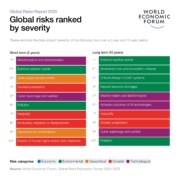
The World Economic Forum’s 2024 Global Risks Report reads like a dystopian blockbuster: AI-driven disinformation hijacks democracies, climate chaos redraws borders and geoeconomic fractures threaten to shatter supply chains.

Anyhow, maybe beneath the doomscroll lies an underrated superpower: Negotiation. Not the stiff, boardroom kind, but a dynamic, adaptive craft that stitches alliances from nowadays chaos. Let’s think of it as Humanity’s Immune System:

Identifying threats, mobilizing defenses, well thought strategies and leaving antibodies of cooperation in its wake. Let’s explore how cutting-edge diplomacy and negotiation can turn the WEF’s top risks into a roadmap for –Resilience.

AI & Misinformation: Prebunking the “Infodemic”

WEF Risk (Short-Term #1, Long-Term #5): Lies now spread at algorithmic speed, eroding trust in everything from elections to climate science.

Negotiation Antidote: Cross-Sector Truth Compacts.

Imagine Meta, the EU and independent fact-checkers negotiating a pact where AI tools like an upcoming GPT-6 “prebunk” fake news by flooding social feeds with context before myths go viral. Chile’s 2023 deal with TikTok offers a blueprint: during wildfire season, the platform prioritized videos from scientists explaining fire dynamics –before conspiracy theories could ignite. Negotiation here isn’t about control, but collaborative coding: rewriting the rules of the attention economy so truth outruns fiction.

“Cuban Missile Crisis lasted 13 days. AI misinformation wars will rage for 13 milliseconds.”

Geoeconomic Fractures: From Zero-Sum to “Coopetition”

WEF Risk (Short-Term #9): Nations are locked in a 21st-century scramble for chips, minerals, and AI dominance.

Negotiation Antidote: Resource Mutualism

Why should the U.S. and China duel over rare-earth metals when they could co-own a Neutral Mineral Trust? Picture a BRICS-brokered vault—managed via blockchain—where critical resources are pooled and released only for green tech projects. This isn’t utopian; it’s pragmatic. During the 1970s oil crisis, rivals created the International Energy Agency to share reserves. Today’s proactive negotiators must weaponize interdependence: “You need my lithium? I need your semiconductors. Let’s swap. Not fight.”

Cyber Espionage: Hack-for-Hack Ceasefires

WEF Risk (Short-Term #5, Long-Term #9): Digital Cold Wars escalate as states weaponize code.

Negotiation Antidote: Digital Geneva Conventions

Inspired by Cold War arms treaties, imagine a pact where rivals like the U.S. and Russia agree to disclose cyber vulnerabilities simultaneously. Llike a digital handshake where each exposes one flaw in the other’s infrastructure, then both patch them. Blockchain could enforce transparency, with “Switzerland Servers” acting as neutral zones for breach disclosures. The goal?

Turn cyberwarfare into a game of mutual repair, not mutual destruction.

Climate Migration: Visas Against the Tide

WEF Risk (Short-Term #8): Rising seas could displace 1.2 billion by 2050, sparking border crises.

Negotiation Antidote: Climate Mobility Compacts

The EU and Pacific island nations are quietly drafting “Temp-to-Permit” visas. Pre-negotiated deals where climate refugees receive temporary residency, with fast-tracked citizenship for skills in high demand (nursing, engineering). This isn’t charity; it’s demographic arbitrage. Germany needs 1.5 million workers yearly by 2030 to sustain its economy. Fiji needs lifelines for drowning villages.

Proactive Negotiation bridges desperation with demand.

Human Rights: Shadow Diplomacy’s Quiet Power

WEF Risk (Short-Term #10): Autocracies weaponize tech to crush dissent.

Negotiation Antidote: Backchannel Bargains

When Norway recently upgraded Iran’s energy grid, the unspoken condition was unblocking Signal and Telegram for activists. No grand treaties—just a tech-for-rights trade. Similarly, Starlink terminals arrive in Myanmar disguised as “rural broadband kits,” with usage clauses preventing censorship. These deals aren’t naïve; they’re stealthy. Like mRNA vaccines, they deliver incremental change under the radar.

Resource Shortages: Tokenizing Survival

WEF Risk (Long-Term #4): Water wars loom as aquifers drain.

Negotiation Antidote: NFTs for the Commons

The Nile River dispute, where Egypt, Ethiopia and Sudan feud over dams, could be solved by tokenizing water rights into Resource NFTs. A UN-managed platform would let nations bid annually for usage “shares,” with algorithms adjusting allocations based on drought forecasts. It’s the 21st-century version of 19th-century water pacts: programmable, transparent and cheat-proof.

The Negotiation Renaissance:

The WEF’s risks aren’t prophecies, for me, they’re invitations. Negotiation, reimagined, is how we RSVP. While AI can crunch data or simulate scenarios, it cannot replicate the irreplaceable human ingredients of diplomacy: trust, empathy, ethics, and the courage to reimagine the possible. Yes, machines might draft trade clauses or predict conflict hotspots, but they cannot stare a dictator in the eye and broker a backchannel deal to unblock Signal. They cannot design a “climate visa” system that balances a nation’s economic needs with a migrant’s dignity.

This is the negotiator’s renaissance. To those fearing obsolescence: your role isn’t disappearing! It’s evolving. The negotiators of tomorrow won’t just facilitate deals; they’ll engineer ecosystems.

Think less “mediator in a suit” and more “architect of societal antifragility.”

Use AI as a tool, not a rival. Let it model resource shortages or simulate disinformation cascades, while you focus on the messy, glorious work of aligning clashing values, culture, and at times survival instincts.

Partly gone are the days of seeking “win-win” as a default only. Today’s challenging polycrises demand negotiators who can pivot between “survive-thrive” frameworks, crafting coalitions to outmaneuver AI’s ethical black boxes, hacking bureaucratic inertia to fast-track climate visas, or poetically reframing resource scarcity as shared opportunity.

The future belongs to those who negotiate like they’re writing code: iterative, collaborative, and relentlessly beta-testing solutions. Proactivity is non-negotiable.

Just as I dissected the WEF’s risks to draft this blog post, tomorrow’s dealmakers must anticipate, simulate and preempt -building bridges before the river floods.

So, to the negotiators doubting their relevance: Your humanity is your edge. AI can’t replicate your intuition for the unspoken, your grit to push past “no,” or your vision to turn a dystopian risk into a blueprint for collective resilience. The machines are coming? Good. Let them handle the spreadsheets.

You’ve got a world to re-negotiate: “AI might write the rules – But only humans can rewrite the whole grand chessboard game.”

Trust lies at the heart of every successful negotiation, leadership decision and meaningful professional relationship. Its essence is not merely a passive expectation but a dynamic interplay of behaviors that inspire confidence, drive collaboration and cultivate mutual respect. Drawing from cutting-edge research and practical guides, including Keld Jensen’s innovative “Smartnership” approach with its focus on the “Tru$t Currency”, this article unveils the “Trifecta of Trust”: Positive Relationships. Good, quality Judgment/Expertise. And Consistency. Jensen’s approach highlights, that trust between negotiators or partners in a transaction often leads to a mutual willingness to explore the vast potential of asymmetrical values, uncovering significant financial benefits and thus serving as a pivotal dealmaker. These three pillars form the foundation upon which trust is built, maintained and leveraged for extraordinary outcomes. Special acknowledgment is extended to Jack Zenger and Joseph Folkman, whose pioneering work on the “Three Elements of Trust” serves as a cornerstone for this blog contribution. For further insights, visit Zenger Folkman’s homepage.

The Three Elements of Trust

Positive Relationships

The cornerstone of trust begins with relationships that transcend transactional exchanges. Leaders and negotiators can cultivate positive relationships by:

Encouraging Collaboration: Break silos and create opportunities for cross-functional teamwork, recognizing and crediting contributions from all sides.

Providing Development Opportunities: Engage in coaching and mentoring to nurture the growth of individuals. Empower team members to discover solutions autonomously while offering meaningful guidance.

Inspiring Through Positivity: Passion is contagious. Regularly express enthusiasm and commitment to shared goals and involve teams in setting ambitious yet achievable objectives.

Listening Actively: Create space for honest dialogue by addressing concerns without rushing to solve them, showing empathy and attentiveness.

Good Judgment/Expertise

Trust is bolstered by demonstrating competence and sound decision-making. This involves:

Exercising Expertise: Stay well-informed and proactive in identifying trends and potential issues. Leverage knowledge to craft informed, innovative solutions.

Aligning Vision with Action: Help others see how their roles contribute to broader objectives. Link individual efforts to organizational strategies to instill a sense of purpose.

Communicating Clearly: Foster transparency by regularly updating stakeholders about progress, challenges and plans. Tailor communication to address their most pressing concerns.

Consistency

Walking the talk solidifies trust. Consistency ensures reliability through:

Delivering on Promises: Document commitments and follow through meticulously. Develop detailed plans that clarify the “how, when, and why” of actions.

Setting High Standards: Encourage excellence within teams and create environments where collaboration thrives. Continuously raise the bar by celebrating small wins and pushing boundaries.

Being Adaptable: Embrace opportunities for self-improvement. Seek and act on feedback to exemplify growth and accountability.

The Interplay of Trust’s Elements

While each element is critical, research highlights that relationships carry the greatest weight. Even impeccable expertise and consistency cannot compensate for poor interpersonal connections. Leaders who are seen as supportive, empathetic and invested in others’ well-being build a reservoir of trust that withstands inevitable missteps.

Yet, it’s not about perfection. Leaders need only reach above-average performance across these dimensions to unlock transformative trust. This balance amplifies their effectiveness, deepens engagement and catalyzes collective success.

Toward a Trust-Centric Future

The Trifecta of Trust is both a guide and a challenge. It calls leaders and negotiators to assess their strengths, identify areas for growth and commit to continuous improvement. By mastering these elements, they not only navigate the complexities of modern professional landscapes but inspire others to do the same.

Case Study: Boeing and Airbus Collaboration

The 2020 global semiconductor shortage presented an unprecedented challenge for industries reliant on advanced technology. Amid this crisis, Boeing and Airbus—longtime competitors in the aerospace sector—forged a temporary collaboration to address supply chain disruptions. Their willingness to cooperate showcased the transformative power of trust and its “Trifecta” of elements.

Positive Relationships were pivotal. Despite years of rivalry, both organizations demonstrated mutual respect and empathy for the shared challenges. They prioritized transparent communication, fostering goodwill and a sense of partnership rather than competition.

Good Judgment/Expertise played a critical role. By pooling their deep knowledge of supply chain logistics, the companies identified innovative ways to streamline procurement and prioritize essential components. This collaboration leveraged their combined expertise to navigate a highly volatile market.

Consistency sealed the success of their efforts. Each party upheld commitments, ensuring timely deliveries and maintaining the trust established during negotiations. Their actions aligned with agreed-upon plans, reinforcing reliability and further deepening mutual confidence.

The interplay of these elements created an environment where both companies could explore asymmetrical values. By working together, they achieved efficiencies that would have been unattainable independently, resulting in substantial financial and operational benefits. This case exemplifies how trust, built on relationships, expertise and consistency, can transform even the fiercest competitors into collaborative problem-solvers.

The “Trifecta of Trust” demonstrates that trust, when cultivated through positive relationships, sound judgment and unwavering consistency, holds the power to turn challenges into extraordinary opportunities for collaboration and shared success. Wishing all friends, colleagues, and readers a joyful transition into a healthy and fulfilling new year, one, filled with life, love, laughter and enduring bonds that stand the test of time.

Dmitri Vitalyevich Trenin, a distinguished Russian political analyst and former military officer, has significantly influenced Russian foreign policy discourse. Serving in the Soviet and Russian armed forces from 1972 to 1993, he held various positions, including liaison officer in Germany and participation in U.S.-Soviet nuclear arms negotiations in Geneva. Notably, he was the first non-NATO senior research fellow at the NATO Defense College in Rome in 1993.

Lisd

After retiring from the military as a colonel, Trenin transitioned to academia and policy analysis. He joined the Carnegie Moscow Center at its inception in 1994 and became its first Russian director in 2008, leading the center until its closure in 2022. Under his leadership, the center was recognized as a leading think tank in Russia, contributing extensively to discussions on international relations and security.

Wikipedia

Trenin’s scholarly work includes numerous publications on Russian foreign policy and international affairs, such as “Russia” (2019), “What Is Russia Up to in the Middle East?” (2017), and “Should We Fear Russia?” (2016). His analyses are valued for their depth and insight into Russia’s geopolitical strategies.

Wikipedia

In recent years, Trenin’s stance has aligned more closely with official Russian positions, particularly regarding the conflict in Ukraine. His support for Russia’s actions in Ukraine led to his expulsion from the Royal Swedish Academy of War Sciences in October 2022.

Wikipedia

While specific details about Trenin’s personal relationship with President Vladimir Putin are not publicly documented, his alignment with Kremlin policies and his prominence in Russian policy circles suggest quite a degree of influence and proximity to the current administration. His perspectives continue to shape discussions on Russia’s role in global affairs, reflecting a deep understanding of the nation’s strategic objectives.

The article “Какой должна стать Украина после завершения российской спецоперации” (“What Ukraine Should Become After the Completion of the Russian Special Operation”) discusses potential scenarios for Ukraine’s future post-conflict. It especially emphasizes the importance of Russia’s role in shaping a new Ukraine that is peaceful, cooperative and aligned with the Russian world. The author argues against the complete annexation of Ukraine by Russia, citing challenges in controlling and integrating the entire territory. Instead, a more feasible approach involves the liberation of Ukraine from anti-Russian elements, leading to the establishment of a new sovereign Ukrainian state closely cooperating with Russia. This new Ukraine would focus on its cultural and historical ties with Russia, fostering a society based on Eastern Slavic heritage and Orthodox Christianity. The article also suggests that certain western regions with strong nationalist sentiments could remain outside Russian influence, potentially aligning with Western countries. Overall, the piece advocates for a strategic and selective approach to Ukraine’s future, aiming for stability and partnership between the two nations.

In terms of negotiation baselines, the article presents several key points:

  1. Selective Integration: Advocates for integrating only those Ukrainian regions that can be effectively controlled and are culturally aligned with Russia, avoiding overextension.
  2. Neutralization of Hostile Elements: Emphasizes the need to eliminate anti-Russian regimes and ideologies in Ukraine to ensure long-term stability.
  3. Cultural and Historical Alignment: Proposes building the new Ukrainian state on shared Eastern Slavic heritage and Orthodox Christian values to strengthen ties with Russia.
  4. Strategic Concessions: Suggests allowing western regions with strong nationalist sentiments to align with Western countries, reducing internal conflict and focusing on more cooperative areas.
  5. Sovereign Partnership: Envisions a sovereign Ukraine that, while independent, maintains a close partnership with Russia, benefiting from economic ties and shared security interests.
  6. Avoidance of Total Annexation: Warns against the complete annexation of Ukraine due to potential difficulties in governance and integration, advocating for a more nuanced approach.
  7. Focus on Stability and Peace: Prioritizes the establishment of a peaceful and stable neighbor over territorial expansion, aiming for long-term regional security.

These realistic baselines can inform quality negotiation preparation and strategies by highlighting the importance of cultural alignment, strategic concessions and the benefits of -a sovereign yet closely allied neighboring state.

Here’s the link: https://profile.ru/abroad/kakoj-dolzhna-stat-ukraina-posle-zaversheniya-rossijskoj-specoperacii-1635806/ Addition resources worth reading: https://www.newyorker.com/news/the-lede/what-russia-and-ukraine-want-from-a-second-trump-presidency

On August 1, 2024, the U.S. and Russia conducted a complex prisoner swap in Ankara, Turkey, involving 16 individuals, including Wall Street Journal reporter Evan Gershkovich and convicted Russian assassin Vadim Krasikov. This high-stakes negotiation also involved prisoners from Belarus and Russian spies held in Western countries. The swap highlighted several strategic challenges and the innovative use of “Tactical Complexity” in overcoming them.

Tactical Complexity is one of the key tools we had integrated into our approach for achieving impact, developed to handle high-stakes negotiations by expanding the scope, managing multiple variables and leveraging strategic concessions at times to create mutually beneficial outcomes.

Strategic Challenges and Hidden Agendas

Asymmetrical Value: The perceived value of the prisoners varied greatly. The U.S. prioritized securing Gershkovich’s release, while Russia focused on retrieving Krasikov, an experienced assassin. Balancing these differing valuations required careful negotiation to ensure both sides felt they were receiving a fair exchange.

Timing: The timing of the swap was strategically crucial. The U.S. needed to manage the impact on ongoing geopolitical tensions while ensuring the release of its citizens. Russia, on the other hand, timed the swap to bolster its domestic and international standing.

Security Concerns: The high-profile nature of the prisoners involved necessitated meticulous planning to ensure a secure and successful exchange, avoiding any potential sabotage or betrayal.

Political Implications: For the U.S., the challenge was to secure the release of its citizens without appearing to capitulate to Russian demands. For Russia, the swap was an opportunity to demonstrate its negotiating strength, enhancing its image on the global stage.

Humanitarian vs. Strategic Objectives: The U.S. had to balance the humanitarian goal of freeing unjustly detained individuals with broader strategic objectives, such as maintaining a strong international stance against Russian aggression.

The Role of “Tactical Complexity” and the “Dilution Principle”

The breakthrough in this negotiation came when the U.S. adopted the Tactical Complexity approach by expanding the deal to include more prisoners and involving multiple governments.

Initially, negotiations were focused on a few high-profile individuals, but Russia rejected several U.S.-proposed swaps. The U.S. then introduced additional prisoners, including dissidents held in Russian prisons, which diluted resistance to any single issue. This use of the Dilution Principle spread the focus across multiple issues, making it easier for both sides to make concessions without feeling they were losing too much on any one point.

Double Negotiation Preparation Strategy: One critical aspect of the U.S. strategy was the use of a dual preparation approach. First, they meticulously prepared from their perspective, identifying key objectives and leverage points. Then, they put themselves in Russia’s shoes, anticipating Russia’s motivations, pressures, and potential strategies. This dual approach allowed the U.S. to anticipate and counter Russia’s moves effectively, ensuring they stayed ahead in the negotiation. Btw. that’s how we always prepare for any upcoming negotiation of significance, all processes until up to task take a week

Additional Insights

Perception of Power Dynamics: By introducing more prisoners, the U.S. shifted the perceived power dynamics, making Russia feel it was gaining more, which can psychologically motivate a party to agree to a deal.

Managing Emotions: Broadening the negotiation scope helped diffuse the emotional intensity surrounding any single individual, preventing deadlocks and keeping the focus on rational, strategic outcomes.

Trust-Building through Tactical Complexity: The complexity of the negotiation provided multiple opportunities for minor agreements, building trust and improving communication between the parties, essential for finalizing the swap.

Tactical Recommendations:

Also your future negotiations can benefit from preemptively introducing complexity, conducting detailed scenario planning and carefully managing communication to influence public perception and maintain your negotiation momentum.

 Finally

The success of the 2024 prisoner swap between the U.S. and Russia demonstrates the power of Tactical Complexity and the Dilution Principle in high-stakes negotiations. By counter intuitive  broadening the scope, strategically managing concessions and employing a dual preparation strategy, negotiators were able to transform a seemingly intractable situation into a mutually beneficial outcome.

This unique case underscores the importance of “adaptability for complexity” in negotiations, particularly when simple solutions are insufficient and highlights how a well-rounded, anticipatory approach can lead to successful and strategic results for all parties involved.

New Strategic Peace Proposal: Transforming UKR/RUS Conflict into Opportunity

This document presents a comprehensive analysis of the past UKR/RUS Turkey Negotiations incl. the final draft and innovative solutions to the ongoing Ukraine conflict.

It begins with a detailed review of the Turkey Peace Talks, highlighting the complexities that led to their failure beside political reasons.

We then address the flawed narrative that Ukraine should negotiate on “equal footing” with Russia, explaining why this approach prolongs conflict.

The proposal introduces a Moderated FOA (Framework of Agreement), a temporary solution aimed at de-escalating tensions and laying the groundwork for final negotiations.

Key to this strategy is the creation of shared economic zones in contested regions, transforming them from battlegrounds into hubs of cooperation and prosperity.

Our concept includes 11 strategic projects, which, when implemented in Crimea, Donetsk, Luhansk, Zaporizhzhia, and Kherson, are projected to generate €35.8 billion over 10 years. These initiatives not only offer significant economic benefits but also foster international cooperation, peace, and long-term stability, positioning these regions as models for sustainable development.

Download the full proposal to explore how this approach can lead to a lasting peace and shared prosperity in the region:

https://dropbox.com/scl/fi/ooqsuefsd0htlfzxlqmwh/UkRusNeg2combined.pdf?rlkey=rtq4l81ivphdrw37ae2lcm5sd&dl=0

#PeaceBuilding #Diplomacy #UkraineConflict #RegionalDevelopment #FromDestructionToConstruction

When navigating conflicts in any negotiation or diplomatic setting, choosing the right conflict-handling mode —competing, collaborating, compromising, avoiding, or accommodating —depends on

Specific situational attributes rather than personal habits or preferences.

Here are eight key attributes to guide your choice:

The Eight Key Attributes of a Conflict Situation

  1. Stress Levels: Is the stress overwhelming, moderate, or stimulating?
  2. Complexity: Is the conflict simple (unidimensional) or complex (multidimensional)?
  3. Importance: How important is the issue to each person involved?
  4. Time: Is there ample time to discuss the issues?
  5. Trust: Is there sufficient trust to openly share needs and concerns?
  6. Communication: Do people have good listening and communication skills?
  7. Culture and Rewards: Does the culture and reward system encourage sharing true needs and concerns?
  8. Relationships: How important are relationships to each person involved?

Based on these attributes, here’s when to use each conflict mode for optimal outcomes:

When to Use Competing

  • Stress: High or moderate stress levels
  • Complexity: Simple, unidimensional problems
  • Importance: The issue is more important to you than to others
  • Time: Limited time for discussion
  • Trust: Low or moderate trust levels
  • Communication: People can clearly communicate their views
  • Culture and Rewards: The culture supports arguing positions in a win/lose manner
  • Relationships: Relationships are not a primary concern

When to Use Collaborating

  • Stress: Stimulating stress levels
  • Complexity: Complex, multidimensional problems
  • Importance: The issue is equally important to all parties
  • Time: Ample time for discussion
  • Trust: High levels of trust
  • Communication: Interactions are effective and respectful
  • Culture and Rewards: The culture encourages exploration, cooperation, and teamwork
  • Relationships: Parties want to maintain lasting relationships

When to Use Compromising

  • Stress: High or moderate stress levels
  • Complexity: Simple, unidimensional problems
  • Importance: The issue is moderately important to all
  • Time: Limited time for discussion
  • Trust: Moderate or low levels of trust
  • Communication: Interactions are respectful
  • Culture and Rewards: The culture encourages quick fixes
  • Relationships: Indifference towards relationships

When to Use Avoiding

  • Stress: Overwhelming stress levels
  • Complexity: Simple, unidimensional problems
  • Importance: The issue is not important
  • Time: Limited time for discussion
  • Trust: Low levels of trust
  • Communication: Interactions are ineffective
  • Culture and Rewards: The culture discourages confrontation
  • Relationships: Parties do not particularly care about their relationships

When to Use Accommodating

  • Stress: Moderate or high stress levels
  • Complexity: Simple, unidimensional problems
  • Importance: The issue is more important to others than to you
  • Time: Limited time for discussion
  • Trust: Moderate or low levels of trust
  • Communication: Interactions are ineffective
  • Culture and Rewards: The culture encourages compliance
  • Relationships: People are eager to please others to maintain relationships

Practical Application of Conflict-Handling Modes

Handling Stress

The first step in addressing conflict is assessing the stress levels of those involved. High stress can inhibit collaboration and compromise, reducing interactions to fight, flight or freeze responses. When stress is overwhelming, it’s best to pause and allow parties to regain composure before proceeding.

Addressing Complexity

Conflicts can range from simple, single-issue disputes to complex, multi-dimensional disagreements. Simple conflicts, like setting a meeting time, might be resolved quickly through compromise. However, more complex issues require collaboration to explore all facets and achieve a multifaceted resolution.

Evaluating Importance

The relative importance of the conflict to each party significantly influences the chosen mode. Critical issues for both parties favor collaboration, while issues important to one party but not the other might be resolved through a combination of competing and accommodating.

Considering Time Constraints

Time available for discussion dictates the depth of conflict resolution possible. Collaboration requires ample time for thorough discussion, while compromising might be suitable for quicker resolutions. In urgent situations, competing may be necessary to expedite decisions.

Building Trust

Trust is essential for open and effective conflict resolution. High trust allows for collaboration and sharing of true needs, while low trust necessitates more guarded interactions, often limiting the conflict modes to competing, accommodating or avoiding. Trust, is nothing less than a currency Tru$t

Ensuring Effective Communication

Quality interactions are vital for effective conflict resolution. Poor communication and defensive behaviors hinder collaboration and compromise, making competing or avoiding more viable options in such scenarios.

Cultural and Systemic Influences

Organizational culture and reward systems heavily influence conflict-handling modes. Cultures that promote openness support collaboration, while those that discourage confrontation may lead to avoiding or accommodating behaviors.

Valuing Relationships

The importance of relationships in the conflict context can guide the choice of conflict mode. Long-term relationships benefit from collaborative or accommodating approaches, while less significant relationships might tolerate more competitive or avoiding strategies.

Finally

By incorporating these principles into our negotiation practices, we immediately build stronger, more resilient relationships and achieve outcomes that stand the test of time.

Continual negotiation and adapting conflict-handling modes based on situational attributes help create lasting and effective resolutions. Combining these insights on conflict-handling modes with a diplomatic approach can significantly enhance your negotiation strategy, ensuring that both, your needs and those of your counterparts are met.

The decree by Ukrainian President Volodymyr Zelenskyy, stating that Ukraine will not engage in peace talks with Russia as long as President Vladimir Putin remains in power, has significant implications for the ongoing conflict and efforts towards peace.

This stance, while highlighting Ukraine’s commitment to sovereignty and territorial integrity, brings a range of negative consequences that deserve careful consideration.

Refusing negotiations inherently prolongs the conflict, leading to continued loss of life, displacement and ongoing destruction beyond measure.

This exacerbates the humanitarian crisis and increases the suffering of civilians caught in the crossfire in unacceptable ways. A hardline stance of such dimension falls completely out of step with the bitter reality of life, precluding temporary ceasefires that could allow for critical humanitarian aid and medical supplies to reach affected areas, potentially alleviating civilian suffering.

By refusing dialogue –per decree, Ukraine risks alienating potential neutral or non-Western allies, limiting diplomatic support and international mediation opportunities.

This self-imposed isolation is not a presidential task but could weaken Ukraine’s geopolitical position. The ongoing conflict without negotiation prolongs economic instability, discourages investment and damages infrastructure, stalling recovery and development efforts. The lack of communication channels increases the risk of misunderstandings and accidental escalations, potentially drawing in other nations or expanding the conflict.

The decree entrenches a diplomatic stalemate, making it challenging for international actors to facilitate peace talks or propose compromise solutions that could lead to a resolution. Prolonged conflict especially strains international resources of all kinds, with the potential for donor fatigue reducing aid and support over time. This could lead to a worsening humanitarian situation in unacceptable ways.

The continuation of conflict and emergency measures may lead to restrictions on civil liberties and democratic processes within Ukraine, impacting societal resilience and trust in government. Continuous conflict leads to public fatigue, lowering morale and potentially undermining public support for the government’s stance, making governance more challenging.

The persistence of the conflict without negotiation contributes to long-term regional instability, affecting neighboring countries and potentially leading to broader geopolitical tensions.

From a negotiator, diplomat, strategist and humanist perspective, the continued enforcement of this, still in place today decree carries significant negative consequences.

While the decree reflects a commitment to sovereignty and territorial integrity, it also highlights the urgent need for a reevaluation of the approach to achieving peace. Prioritizing dialogue and opening channels for negotiation, even if initially symbolic, could help alleviate many of these issues, potentially leading to a more sustainable resolution and reducing the humanitarian and economic toll on the region.

In negotiations, making concessions can inspire reciprocity, encouraging a spirit of cooperation and goodwill that often leads to mutually beneficial outcomes.

Taking the decree ‘off the table’ as a gesture of goodwill can serve as a pivotal starting point, demonstrating a genuine commitment to peace and potentially encouraging reciprocal actions from the other party.

That’s presidential task the soonest.

For over 30 years, Luxembourg has been a seafaring nation with a lucrative shipping registry—despite having no access to the sea. Cool, right? Luxembourgish ships have built offshore wind farms in Belgium and even one of the Palm Islands off Dubai. This sector directly accounts for about 300 jobs, but it also generates business for law firms, financial institutions, and insurers. An estimated 2,500 jobs in Luxembourg are connected to the maritime sector. The lengthy process began when Aristotle Onassis, invited to the Luxembourgish U.S. Embassy, asked then-Ambassador Adrien Meisch if he could register his ships under a Luxembourgish flag.

The late Ambassador Meisch was also a co-initiator of Astra, the commercially successful satellite system, which is now Luxembourg’s largest taxpayer.

When I had the privilege of a stroll in Cannes, South of France with his widow, I asked her about his work. “Before difficult negotiations, he sometimes disappeared for a full week for preparation,” she told me. While that sounds familiar, I also learned about the social aspects, like embassy events and piano evenings.

For diplomats, negotiation isn’t just about closing a deal; it’s about building strong, lasting relationships. I think, by borrowing strategies from international diplomacy, we can handle complex business interactions more effectively. This approach focuses on continuous dialogue, mutual respect, and understanding each other’s interests. In this article, we’ll explore how these diplomatic techniques can be applied to business negotiations to create partnerships that stand the test of time, here’s what I learned from talks:

  1. Thorough Preparation:

Diplomats excel by thoroughly understanding the comprehensive backgrounds, interests and goals of all parties involved. This in-depth preparation prevents misunderstandings and smooths the path for successful negotiations. Whether it’s researching a counterpart’s cultural norms or anticipating their needs, being well-prepared can make all the difference in achieving favorable outcomes. Think of it as being a detective who leaves no stone unturned, ensuring you walk into negotiations with a clear, informed strategy that impresses and engages your counterpart from the get-go.

  1. Active Listening:

There’s a good reason we have two ears and only one mouth: effective diplomats prioritize listening over speaking. By truly understanding the other party’s words and actions, negotiators can better align interests and discover mutually beneficial solutions. Imagine yourself as a finely tuned radio antenna, catching every subtle signal. This attentive approach not only builds trust but also uncovers collaboration opportunities that mere talking might miss. Plus, it shows respect and genuine interest, key ingredients for positive negotiation outcomes.

  1. Showing Respect:

Respect isn’t just a nice-to-have in diplomacy; it’s the bedrock of effective negotiation. Diplomatic negotiators go out of their way to understand and honor the customs, norms and values -of the other party. This approach can prevent many modern-day negotiations from collapsing due to cultural misunderstandings. Think of it as laying out the red carpet for your counterpart—acknowledging their traditions and values makes them feel respected and valued. This mutual respect creates a positive atmosphere, triggers reciprocity and paving the way for smoother and more successful negotiations and outcomes.

  1. Adaptability:

In the ever-changing landscape of negotiations, adaptability is your secret weapon. Just as diplomats must adjust to new information and shifting dynamics, successful negotiators stay flexible and responsive. This means being ready to pivot your strategy when unexpected challenges arise or when new opportunities present themselves. Picture yourself as a skilled sailor navigating turbulent waters—you adjust your sails to the wind, maintaining course while seizing new advantages. And when strong emotions come into play, remember that smooth seas never made a skilled sailor. Stay on top of things and use the turbulence powers to refine your negotiation skills and achieve your goals.

  1. Emotional Intelligence:

Dealing the complex emotions that arise during negotiations is a hallmark of both skilled diplomats and negotiators. Emotional intelligence involves recognizing and managing your own emotions, as well as understanding AND influencing the emotions of others. Picture yourself as a conductor orchestrating a symphony—you need to be in tune with -every instrument to create harmony. This ability to stay calm, empathetic and composed under pressure not only defuses potential conflicts but also builds rapport and trust.

Remember, it’s not just about what you say, but how you make the other party feel that can turn the tide in your favor. This is where subjective value comes into play. How you perceive the value of the negotiation (self-subjective value), how the other party perceives the results (result-subjective value), and how the negotiation process itself is experienced (process-subjective value) are all crucial. Recognizing and enhancing these subjective values can significantly impact the overall satisfaction, success and stability of the negotiation outcomes.

  1. Strategic Thinking:

Strategic thinking is the backbone of successful negotiations, just as it is in diplomacy. This involves developing long-term strategies and aligning them with the broader goals of both parties. Picture yourself as a chess grandmaster, anticipating moves several steps ahead. This foresight helps you stay ahead of potential challenges and seize opportunities as they arise. Effective strategic thinking not only involves understanding your own goals but also predicting the objectives and moves of your counterpart. By thinking several steps ahead, you can craft solutions that address immediate concerns while setting the stage for future success. This strategic foresight ensures that negotiations are not just about immediate gains but about building a foundation for sustainable, long-term partnerships.

  1. Tact and Diplomatic Finesse:

The ability to handle sensitive situations with poise and discretion is a hallmark of both skilled diplomats and negotiators. Tact and diplomatic finesse involve being mindful of how your words and actions are perceived and making adjustments to avoid offending or alienating your counterpart. Picture yourself as a tightrope walker, carefully balancing and adjusting to maintain harmony. Just as a tightrope walker knows that direction is more important than speed, a negotiator must navigate with finesse, ensuring that every step is deliberate and considered. This skill is especially crucial when dealing with delicate issues or high-stakes negotiations. Demonstrating tact shows respect for the other party’s perspectives and can help de-escalate tensions, paving the way for constructive dialogue and mutually beneficial “bigger the cake” outcomes. Remember, the subtle art of saying the right thing at the right time can make all the difference in building and maintaining strong negotiation relationships.

  1. Mediation and Conflict Resolution:

In both diplomacy and negotiation, the ability to mediate and resolve conflicts is crucial. Mediators serve as neutral parties who help bridge gaps and find common ground between conflicting interests. Imagine yourself as a mediator who carefully listens to both sides, empathizes with their concerns and guides the conversation toward resolution. This involves not only understanding the underlying issues but also creating an environment where both parties feel heard and valued. Mediators use techniques such as active listening, especially REFRAMING and generating creative solutions to address -the root causes of conflict.

Moreover, a truly skilled negotiator can “level up” and adopt a mediator’s perspective, elevating themselves “above the process”. By doing so, they can objectively view both -their own position and that of their counterpart, maintaining stability and impartiality. This bird’s-eye view allows them to easier identify shared interests and facilitate a more collaborative and constructive dialogue. Effective mediation ensures that disputes are resolved in a way that strengthens relationships and paves the way for future cooperation.

  1. Networking and Building Alliances:

Diplomats understand the power of networking and building alliances, a skill that translates seamlessly into successful negotiation. Building a network of relationships provides support, information and opportunities that can be pivotal in negotiations. Imagine yourself as a spider weaving a web, where each connection strengthens your overall position and provides multiple pathways to achieve your goals.

A skilled negotiator not only focuses on the immediate negotiation but also on nurturing relationships that can be beneficial in the long term. This means investing time in getting to know your counterparts, understanding their interests and finding ways to create VALUE for them. Former Luxembourg Ambassador Adrien Meisch exemplified this through his “Piano Evenings,” which were not just social events but strategic networking opportunities. Such gatherings allowed for relaxed, informal interactions that built trust and rapport, paving the way for smoother formal negotiations.

New U.S. diplomats are even encouraged to learn piano to facilitate such social engagements. In negotiation education, we learn never to underestimate the power of upfront social talks. These interactions can ease tensions, reveal insights about your counterpart and lay the groundwork for more effective formal discussions.

By developing trust and mutual respect through social interactions, you create a foundation for future collaborations and alliances. Effective networking involves regular communication, maintaining a positive reputation and being a reliable partner. These alliances provide critical leverage and support, turning complex negotiations into successful outcomes and JOYFUL processes!

Final Thoughts: The Diplomat’s Edge in Business Negotiations

By incorporating these principles into our negotiation practices, we build stronger, more resilient relationships and achieve outcomes that stand the test of time.

Finally, think of continuous negotiation. Just as diplomats maintain ongoing dialogues between states, business negotiators should view contracts as living documents within dynamic relationships. A German manager once wisely noted, “A map is not a country but only an imperfect description of it.” Similarly, a contract is just a starting point—true success lies in the ongoing relationship. Regular check-ins and continuous adjustments are essential to adapting to unforeseen circumstances and capitalizing on new opportunities.

The essence of effective negotiation, as de Callieres put it, is to -align the interests of all parties. Understanding your counterpart’s priorities can lead to creative solutions, even when initial positions seem incompatible. The 1978 Camp David negotiations are a prime example: By focusing on underlying interests—security for Israel and sovereignty for Egypt—mediators achieved a historic agreement.

Great negotiators, like skilled diplomats, understand the value of patience. Rushing through negotiations can lead to fragile agreements that may require -costly renegotiations or even litigation. Investing time upfront to build a solid foundation can prevent future conflicts and foster a more robust and enduring partnership. As de Callieres wisely advised, negotiators should “labor to remove the difficulty” with unwavering patience, much like a clockmaker meticulously repairing a timepiece.

By integrating these timeless diplomatic strategies into our negotiation toolkit, we not only enhance our ability to reach beneficial agreements but also create lasting, truly meaningful relationships. In the end, the true measure of a successful negotiation isn’t just the deal itself, but the strength and durability of the connections we forge along the way.

What are your thoughts? How can you apply these diplomatic strategies to your next negotiation? Share your experiences and let’s continue this conversation.

The Status Quo: A Zero-Sum Game

The current geopolitical climate surrounding Crimea is entrenched in a zero-sum mentality, where one party’s gain is inevitably perceived as another’s loss. This antagonistic approach has perpetuated conflict, sustaining a relentless cycle of sanctions, military expenditures and territorial disputes. These actions have exacerbated tensions, leaving no room for meaningful progress towards peace and stability.

Changing the Narrative: “From Destruction to Construction”

Our vision offers a radical departure from this detrimental status quo by proposing a transformative shift:

Leveraging Frozen Assets and Matching EU Funds to rebuild and develop Crimea. This strategy not only breaks the impasse but also turns it into a truly mutually beneficial opportunity.

A Visionary Approach: Strategic Reinvestment and the European Development Government (EDG)

Localized Development Initiatives
Instead of continuing to funnel resources into conflict, we advocate for redirecting frozen Russian and EDG assets towards regional development in Crimea. This strategic reinvestment shifts the narrative from destruction to construction, creating significant economic opportunities that benefit all conflict parties. By investing in infrastructure, education, healthcare and local businesses, we generate immediate, tangible benefits, encouraging goodwill and the needful huge, international support.

Public-Private Partnerships
Engaging multinational corporations and local enterprises through public-private partnerships amplifies funding and expertise, ensuring robust and sustainable growth. This collaboration bridges the gap between local needs and global capabilities, paving new ways for a thriving regional economy.

European Development Government (EDG)

Neutral Governance
We propose establishing a temporary governance structure, the European Development Government (EDG), under the EU’s auspices. This neutral body would manage development projects transparently, ensuring that investments benefit the local population and the broader region. By including representatives from key international stakeholders and local governance bodies, the EDG addresses the interests and concerns of all conflict parties, enhancing both, legitimacy and cooperation.

Inclusive Representation
Incorporating representatives from international stakeholders (such as the UN and OSCE) alongside local governance bodies ensures that all voices are heard and all interests are addressed transparently. This comprehensive approach builds trust and collaboration, which are essential for the project’s success.


Transforming Crimea: Europe’s New “Silicon Valley” or “Neom”

Our vision for Crimea is ambitious: transforming the region into Europe’s new “Silicon Valley” or “Neom.”

This involves creating Special Economic Zones (SEZs) with tax incentives and simplified regulations to attract foreign direct investment (FDI). By focusing on high-tech industries, renewable energy and tourism, Crimea can become a leading hub of innovation and economic growth.

Economic Zones of Rapid Growth
Developing SEZs and innovation hubs in Crimea attracts international investment, technology and talent. These zones drive economic growth, mitigate the economic strains caused by conflict and provide a model for peaceful economic collaboration. By establishing partnerships with leading universities and tech companies, Crimea can be positioned as a beacon of innovation and sustainable development.

Long-term Vision and Stability
A initial 10 year EDG commitment to sustainable development ensures a substantial timeline to achieve significant goals. By focusing on renewable energy, sustainable agriculture, and green infrastructure, we not only address immediate needs but also position Crimea as a model for environmental stewardship and long-term prosperity. Educational and cultural exchange programs can further rebuild human capital and nurture cooperation between the currently conflicting parties.


Implementation and Negotiation Approach

Building Consensus

Conflict Resolution Workshops
To ensure the success of this proposal, it is crucial to gain widespread support from key stakeholders, including Russia, Ukraine, the EU and international entities like the UN. Extensive back-channel discussions are necessary to ensure the plan addresses core interests and concerns. Conducting conflict resolution workshops for political leaders and local communities promotes understanding and peaceful conflict resolution.

Incremental Confidence-Building Measures
Starting with small, confidence-building projects can gradually rebuild trust and demonstrate the feasibility –of the larger vision. These initial successes pave the way for more ambitious initiatives, showcasing the impressive potential for truly transformative change.

Legal and Financial Frameworks

Third-party Audits and Transparency Mechanisms
Establishing transparent legal and financial structures for managing and disbursing frozen assets is crucial. Implementing third-party audits and real-time transparency mechanisms enhances trust and accountability, ensuring ethical and efficient management of resources.

International Development Funds
A dedicated international development fund, managed by a coalition of stakeholders, oversees the allocation and disbursement of resources. This centralized management ensures that funds are used effectively and equitably, maximizing their impact.

Security Guarantees

Demilitarized Zones
Creating demilitarized zones around key infrastructure projects prevents military escalation and ensures the safety of workers and residents. These zones act as safe havens for development, free from the threat of conflict.

Joint Security Forces
Forming joint security forces composed of personnel from multiple stakeholders oversees security collaboratively. This shared responsibility ensures comprehensive protection and establishes a new sense of mutual trust.

Public and Political Buy-in

Media Campaigns
Launching media campaigns to inform and engage the public builds broad-based support for the project. Transparent communication about the benefits and progress of the initiative fosters trust and enthusiasm among local and international audiences.

Stakeholder Forums
Regular forums with all stakeholders, including civil society organizations, gather input, address concerns, and build broad-based support. Inclusive planning ensures that the project remains responsive to the needs and aspirations of all affected communities.

Phased Implementation and Adaptability

Pilot Projects
Starting with pilot projects in less controversial areas can demonstrate the feasibility and benefits of the larger vision. These initial successes build incremental trust and provide valuable data for scaling up—A new role model for conflict resolution worldwide.

Flexible Frameworks
Developing adaptable frameworks with regular reviews ensures that the project remains responsive to changing conditions. This flexibility allows for adjustments based on feedback and evolving circumstances, ensuring sustained progress.


Innovative Solutions

Blockchain for Transparency
Utilizing blockchain technology ensures transparency and traceability of funds and project progress. This innovative approach enhances trust among stakeholders and ensures ethical management of resources.

Renewable Energy Projects
Focusing on solar and wind energy projects addresses energy needs sustainably and attracts green investments. This alignment of economic growth with environmental sustainability positions Crimea as a leader in renewable energy and carefully balanced energy mix.

Cultural and Environmental Heritage Parks
Develop large-scale cultural and environmental heritage parks that preserve and promote the region’s history and biodiversity. These parks serve as both tourist attractions and educational centers, establishing a deeper appreciation for Crimea’s unique cultural and natural heritage.

Green Energy and Zero-Waste Initiatives
Commit to making Crimea a zero-waste region powered entirely by renewable energy. Implementing comprehensive recycling programs, waste-to-energy plants and widespread use of renewable energy sources can attract significant green investments and position Crimea as a global leader in sustainable living.

Peace-Building through Sports Diplomacy
Establish international sports academies and host peace-themed sports events in Crimea. Sports can be a powerful tool for building bridges between communities, promoting a sense of camaraderie and mutual respect.


Highlight: Crimea – This World’s Peace, Diplomacy & Negotiation Education Hub

Our most ambitious vision is to transform Crimea into a global hub for peace, diplomacy, and negotiation education. By establishing international institutes for peace and diplomacy studies, offering courses and research opportunities in conflict resolution, international relations, and sustainable development, Crimea can become a beacon of peace and diplomacy, influencing global thought and policy-making. Educating future leaders in these fields will not only contribute to regional stability but also project a powerful image of transformation and leadership in global peace efforts.


Final Thoughts

This comprehensive and ethical vision ensures a transparent, inclusive, and sustainable pathway to peace and development, making it a go-to strategy for all conflict parties involved. By adopting this transformative approach, which safeguards the dignity of all parties and is likely to generate broad public approval in each conflict country, we create a brighter, more prosperous future for Crimea and its people. Our vision not only addresses immediate challenges but also sets the stage for long-term stability and growth, redefining Crimea as this world’s exemplary region for overcoming the constraints of any territorial or geographic disputes.

Hashtags: #ChangeNarrative #FromDestructionToConstruction #ShareCrimea

Stepping into negotiations, I bring not only a genuine enthusiasm and passion but eagerness and love for the negotiation process itself as well. Sadly, high expectations can sometimes take a hit when we encounter puzzling or challenging behaviors from new counterparts. Thankfully, some quality scholarly advice on negotiation helps us to steer tricky settings and, with this foundation of passion and insight, let’s explore the competitive negotiators and the unexpected advantages they can offer.

While the virtues of cooperative negotiation, like problem-solving, mutual gains and relationship building.. are well-known, encountering a highly self-interested counterpart might initially seem like a setback, right?

However, surprising insights from a study by Sinem Acar-Burkay, Vidar Schei and Luk Warlop suggest otherwise. Their research, published in the ‘Group Decision and Negotiation’ journal, reveals that pairs composed of one Individualist and one Cooperative negotiator often achieve the most favorable outcomes, both: Economically and Relationally.

In their experiment, business school students negotiated under different motivational conditions. Interestingly, mixed-motive pairs not only secured immediate economic benefits but also preserved strong relational ties, evident from their continued willingness to collaborate months later.

This interesting dynamic suggests, that combining cooperative and competitive strategies can be highly effective. Especially, if you are aware of that fact.

The presence of distinct motivations can lead to a balance where competitive negotiators encourage more assertive value-claiming from their cooperative counterparts, while cooperators bring a value-creating perspective, enhancing overall outcomes. Adapting to both, competitive and cooperative approaches can enrich our negotiation tactics, turning apparent challenges into opportunities for mutual benefit. Here’s the link: https://t.ly/rKAgA

Building on our understanding of competitive dynamics, we now turn to the challenges posed by insincere negotiators, whose motives can reshape the negotiation process.

When launching negotiations, it’s very natural to hope for a counterpart as committed to a successful outcome as we are. Yet, this isn’t always the case, as noted by Polly Kang from the Wharton School, Krishnan S. Anand from the University of Utah, Pnina Feldman from Boston University, and Maurice E. Schweitzer, also from the Wharton School, in their enlightening study.

They explore how some parties enter negotiations with hidden agendas, not aiming to close a deal but to glean proprietary information or gain other strategic advantages.

Their research, published in the Journal of Experimental Social Psychology, uncovers tactics used by insincere negotiators. These include stalling, asking tangential questions and other methods to prolong negotiations without the intention to agree. For instance, companies may enter talks to extract competitor insights or consumers might negotiate to leverage better deals elsewhere, as seen in Amazon’s strategic engagement with numerous cities vying for its second headquarters.

Kang and her colleagues conducted experiments where they set up buyer-seller scenarios with different underlying motives. They found, that while insincere buyers often employed delaying tactics, some still reached agreements.
Interesting and in practical fact demonstrating the complex nature of -Negotiation Dynamics.

The researchers also highlighted the ‘agreement bias’ namely the tendency to conclude deals even when no agreement is necessary or beneficial.

To counter insincere tactics, the study suggests being cautious of partners who unduly slow down negotiations or seek excessive concessions. Legal mechanisms like earnest money in real estate, or nondisclosure agreements in corporate negotiations, can help ensure that parties are genuinely interested in reaching a consensus.

For a more in-depth look into these strategies and findings, you can refer to the full study here: https://t.ly/XyysH. This link provides access to the detailed research and methodologies used in uncovering the nuances of insincere negotiation tactics offering few valuable insights for anyone looking to sharpen their negotiation skills and -safeguard their interests.

Transitioning from the strategies to handle insincerity, we now address another complex aspect of negotiations: Dealing with notably.. difficult personality types and behaviour, to put it gently.

At times, you might find yourself facing a counterpart whose behavior seems extreme and dysfunctional. According to Marc-Charles Ingerson and Kristen Bell DeTienne of Brigham Young University, Jill M. Hooley of Harvard and Nathan A. Black of the University of Iowa, written in the “Negotiation Journal – “Dealing with Dysfunction: Negotiating with Difficult Individuals” an estimated 10% of working adults exhibit personality styles or behavioral tendencies that significantly challenge interactions. These can range from odd quirks to full-blown personality disorders.

While it’s crucial to avoid playing armchair psychologist, just understanding the few basics and most common difficult personality styles can be beneficial. This knowledge helps us “gauge” whether to proceed with a negotiation and how best to adapt to various behaviors. Here’s an overview of four challenging personality types encountered in negotiations and as per in the named Negotiation Journal contribution:

Narcissistic Personality Disorder: Individuals with high narcissism often struggle with empathy and may focus excessively on seeking admiration. They can, however, also display desirable traits such as charm and assertiveness.

Antisocial Personality Disorder: Often successful in business settings, these individuals might engage in deceitful or exploitative behavior. It’s generally advised to approach them cautiously, preferably in team settings which they might find daunting.

Borderline Personality Disorder: Marked by emotional instability and poor self-image, those with borderline personality disorder may react intensely in negotiations. Maintaining a calm, structured approach can help in managing interactions with them.

Passive-Aggressive Behavior: Those who exhibit passive-aggressive behavior may obstruct negotiations subtly while maintaining an outward appearance of cooperation. Clear, direct communication and careful documentation are key in dealing with such individuals.

Understanding and adapting to these complex behaviors can significantly enhance your effectiveness in negotiations, ensuring you deal these challenging interactions with tact and insight, because..

“The true measure of our negotiations isn’t only found in the quality of agreements we reach, but in the personal growth we experience and the high values values and standards we bring to the table.”